
Let’s just say- it wasn’t what I was expecting.
I thought I had no expectations going into this trip, because I knew so little about Croatia before I went. But, let’s be honest, those hours of itinerary research lead me to believe that I was stumbling across a hidden gem. But Croatia is anything but a hidden gem. In fact, tourism is its largest source of income. It’s just that all the tourists are European, which makes sense that I, an American, knew so little about it.
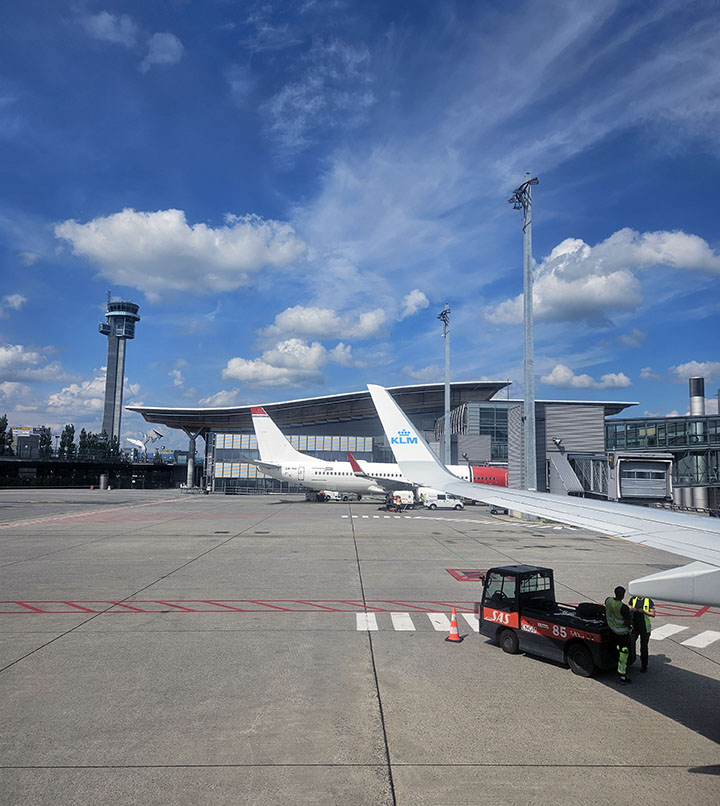
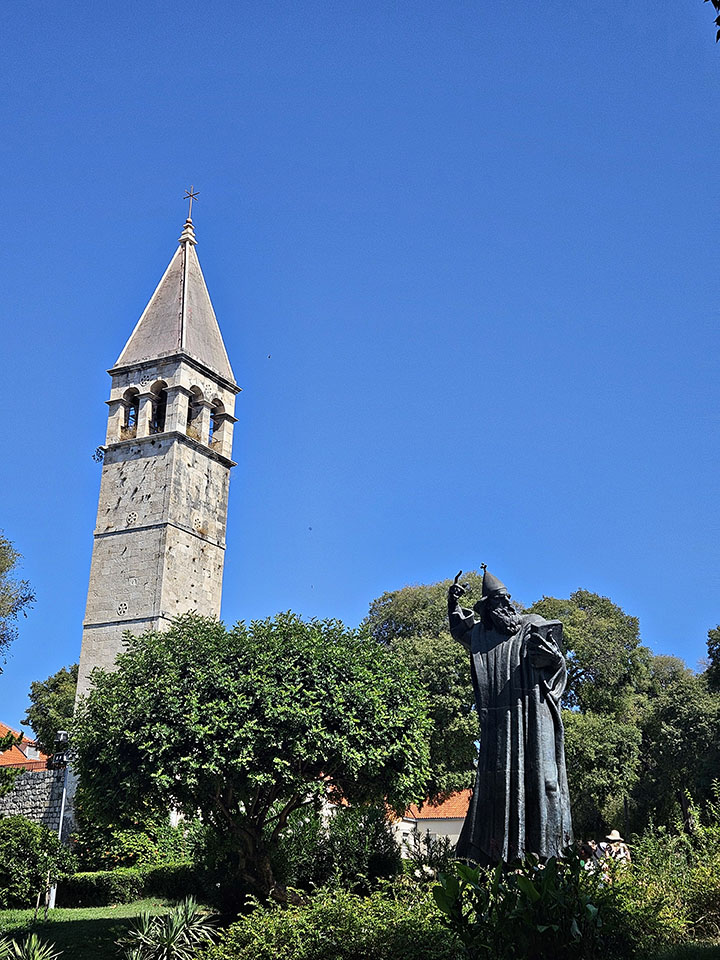
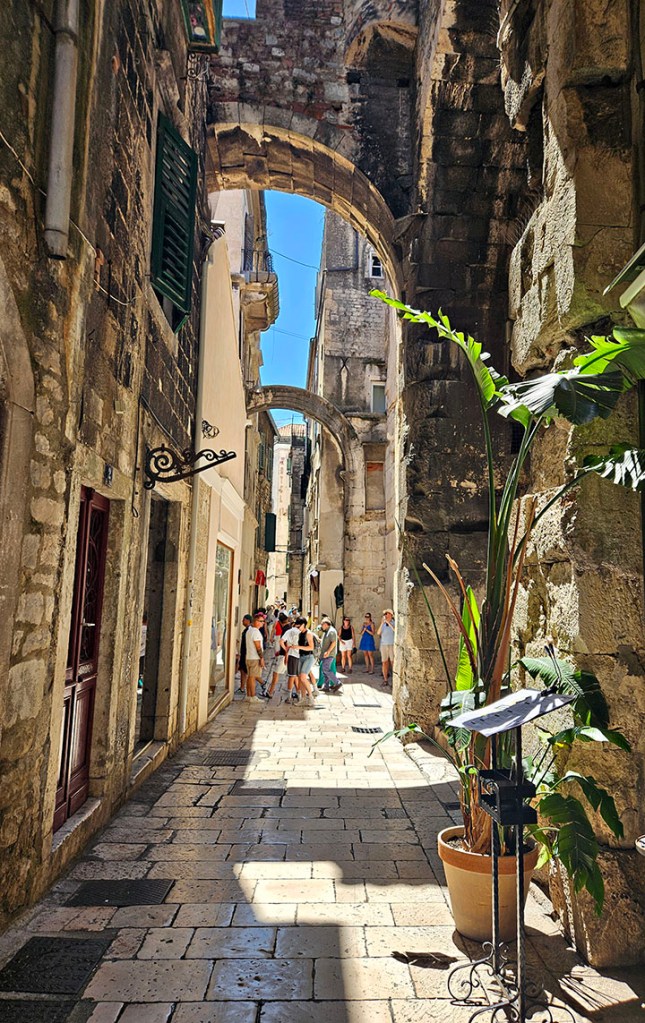
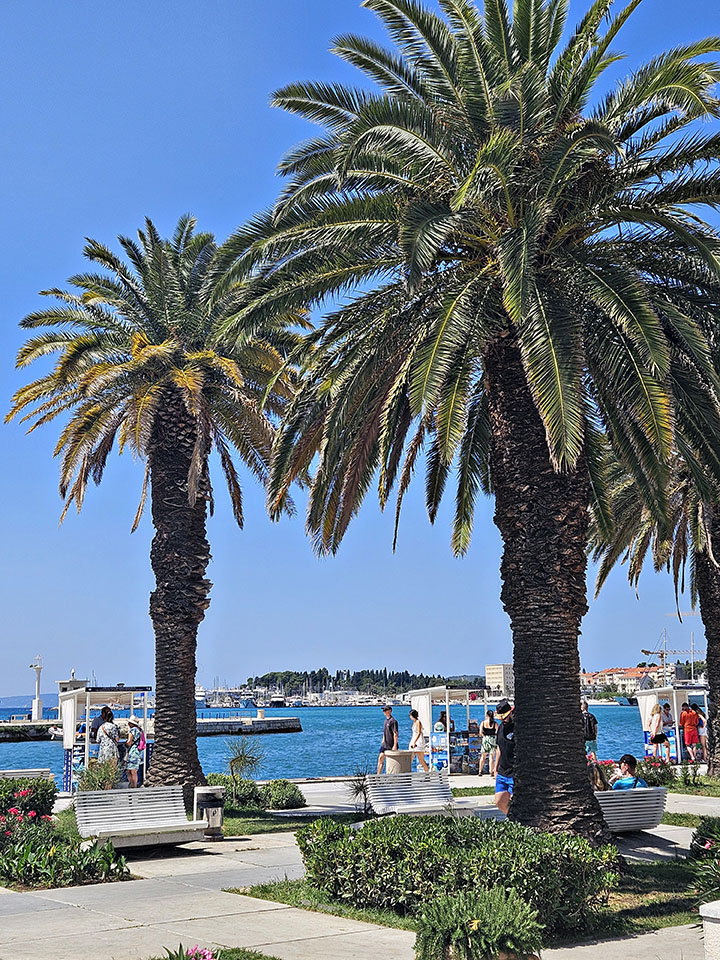
What we did: My long time friend/travel buddy and I set out by car from Split, to Zagreb (the capital), and then down the coast to Dubrovnik. Split, I have since learned, is a party city. Beautiful, but not my personal vibe.
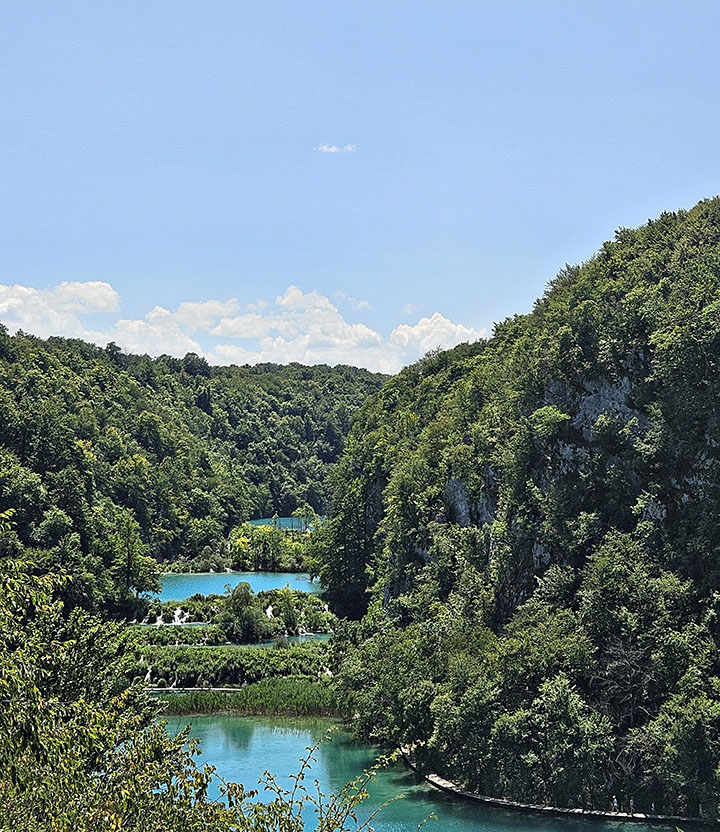
On our way to Zagreb we stopped at Plitvice Lakes for waterfalls, blue, blue water, and plenty of hiking for us. We did end up walking in a circle, but I guess that’s what all trails are, so it’s fine.




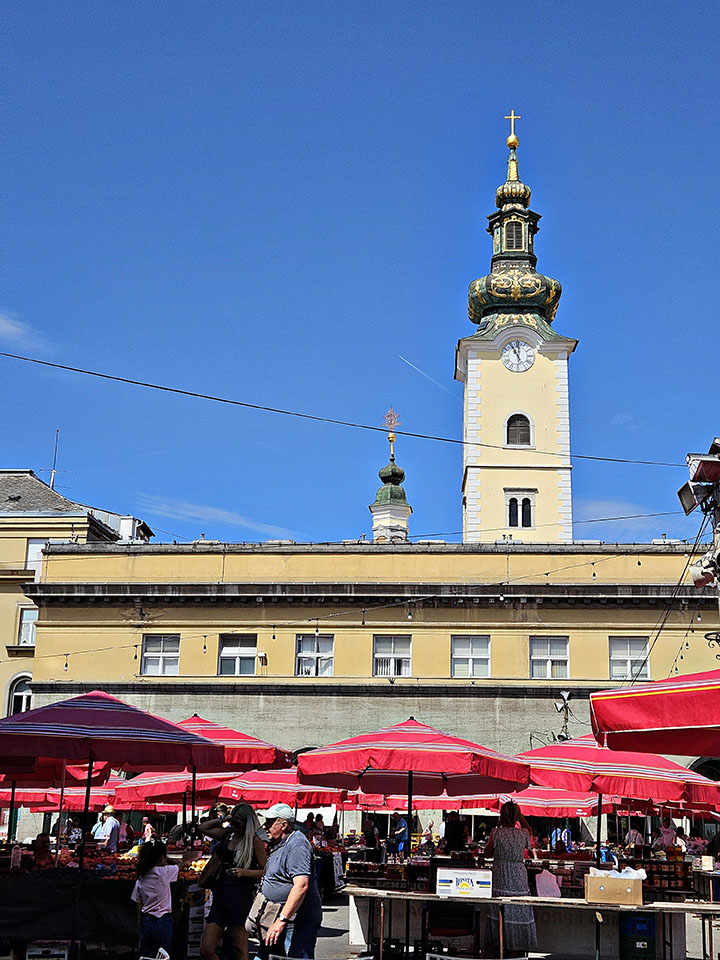
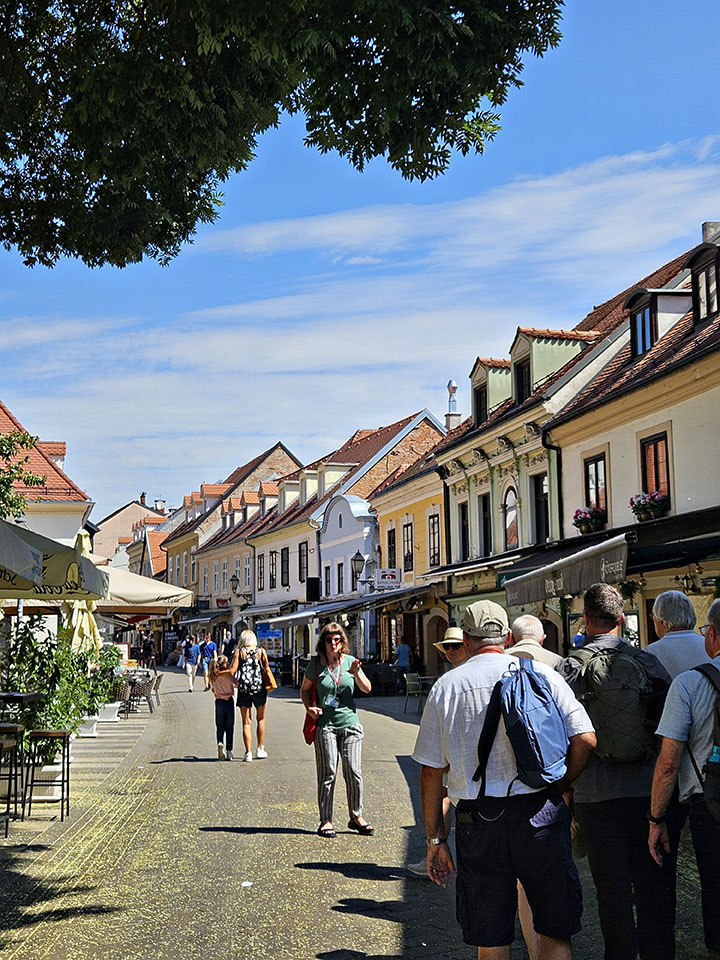
Zagreb is the capital and the most modern of the cities we visited. It still had a beautiful old town and history of rivalry, but not every street was cobblestone. For something random, we visited the Museum of Broken Relationships. It’s a small spot with personal stories of break-ups, alongside artifacts from the relationships. A unique, relatable spot that was worth the visit.
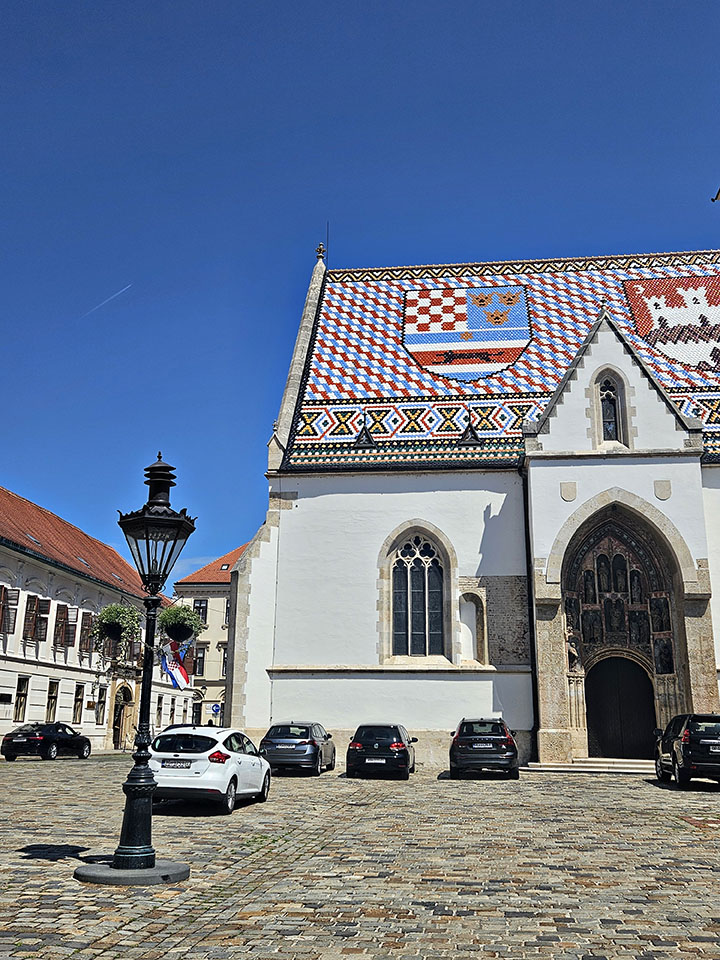
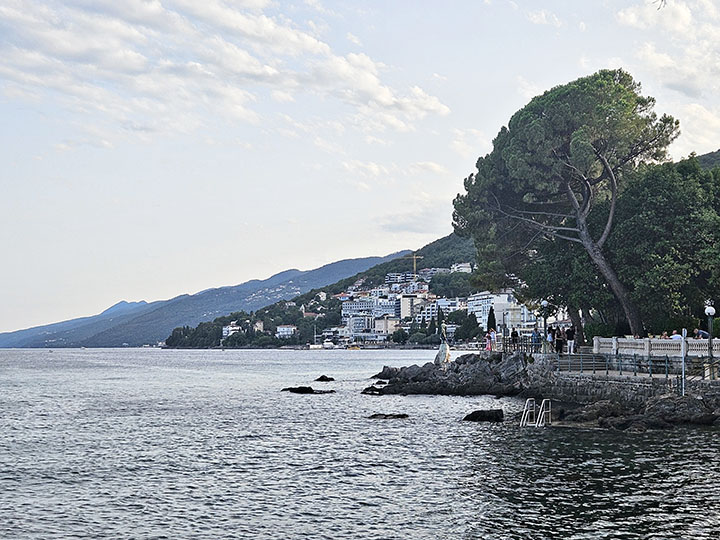
From there we drove west to the sea, stopping at Opatija, Motovun, and Rovinj over the course of a few days. They are each small Medieval villages that are common vacation destinations. Opatija had lots of summer vacation vibes with people jumping in the water right in town.
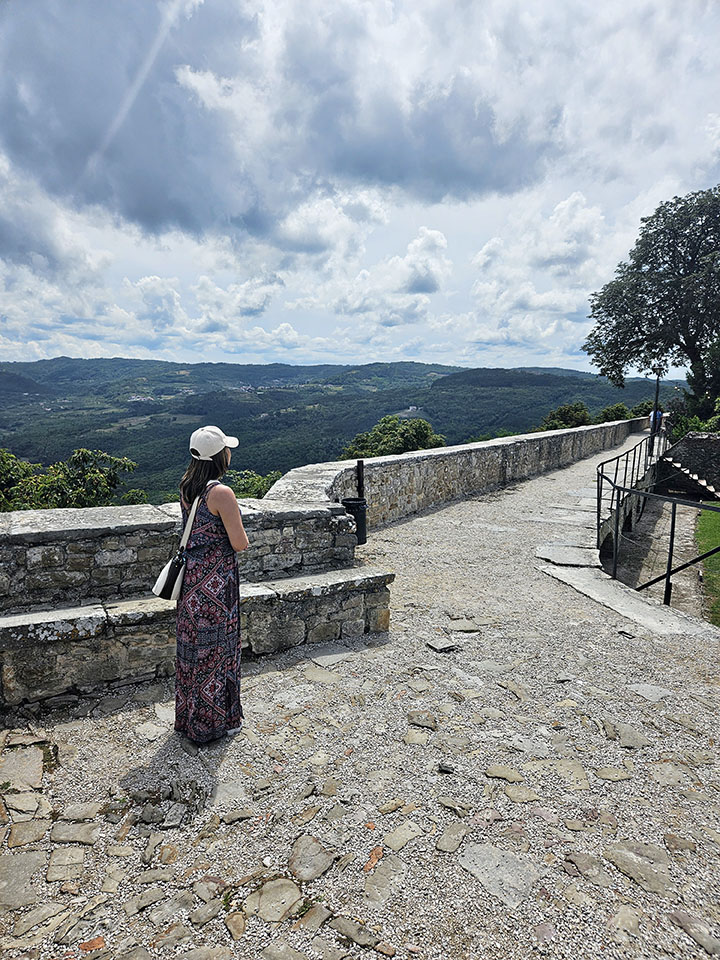
Motovun is a mountaintop village with a beautiful view from the city wall, but not much else to do.


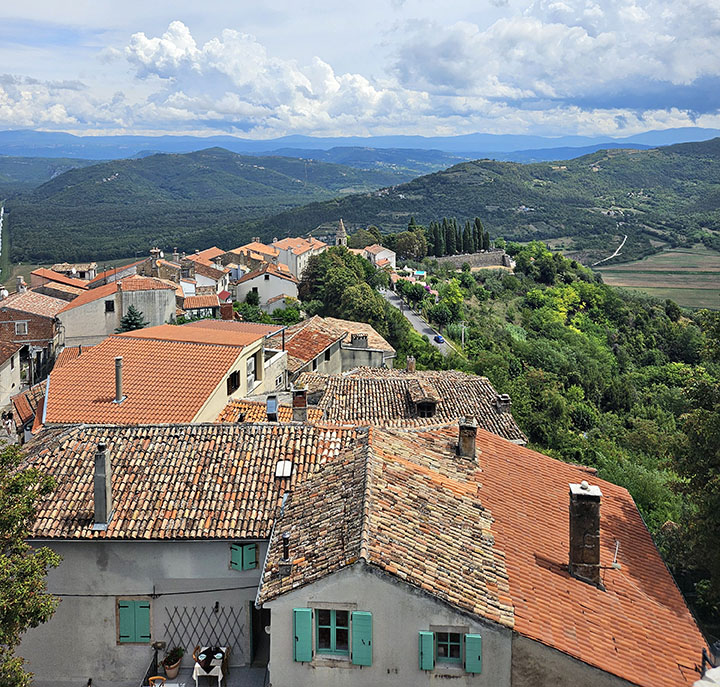
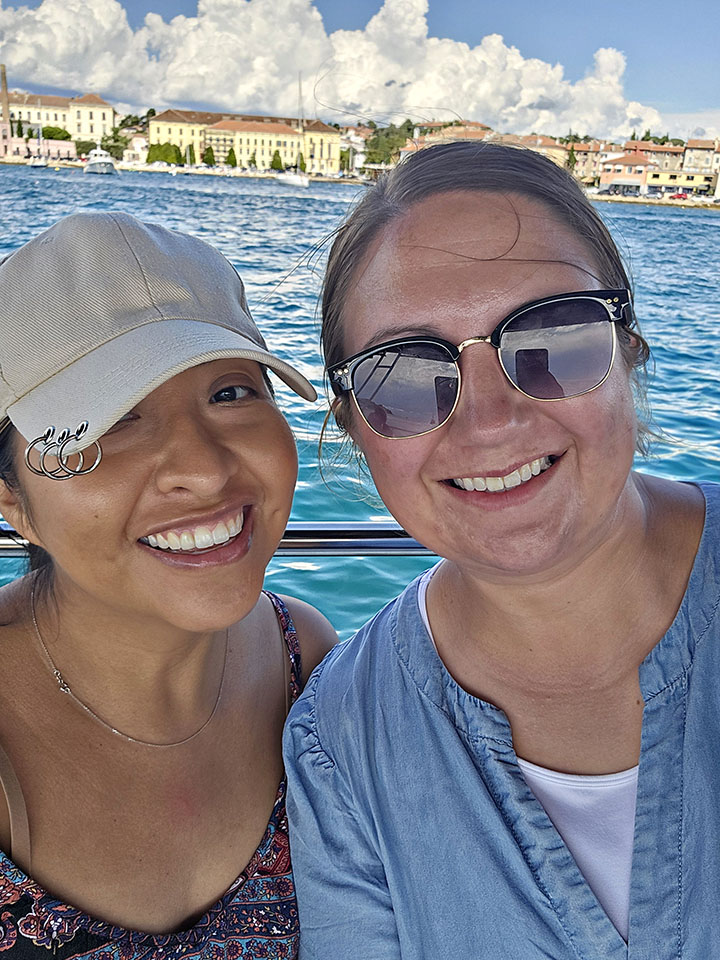
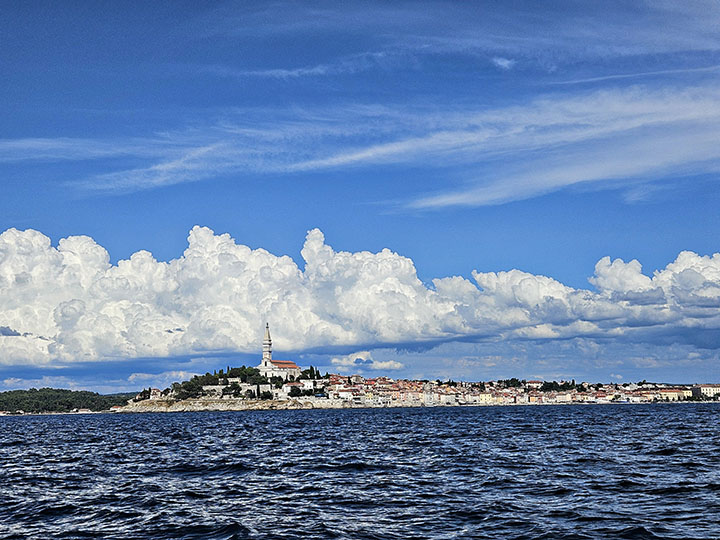
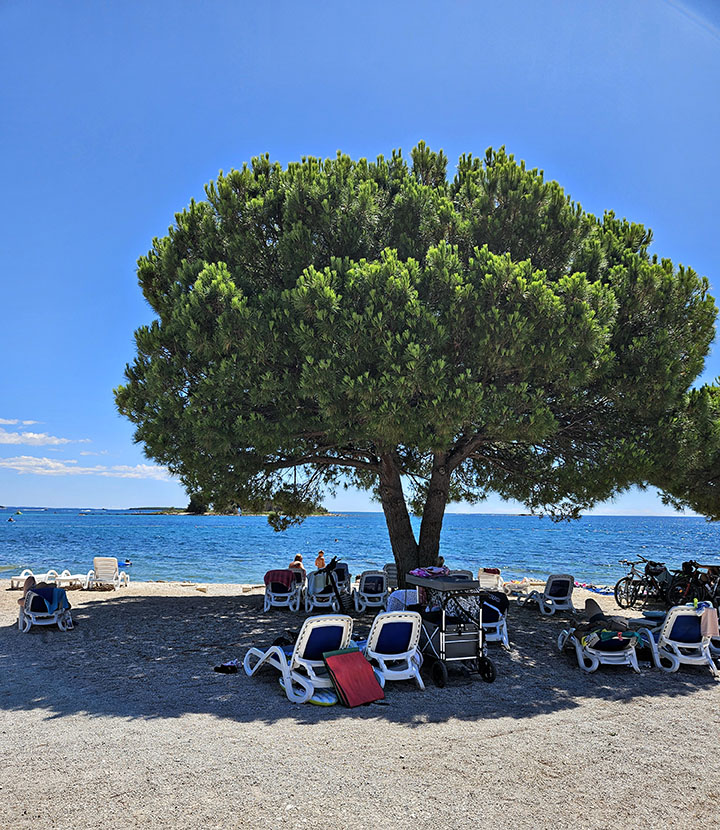
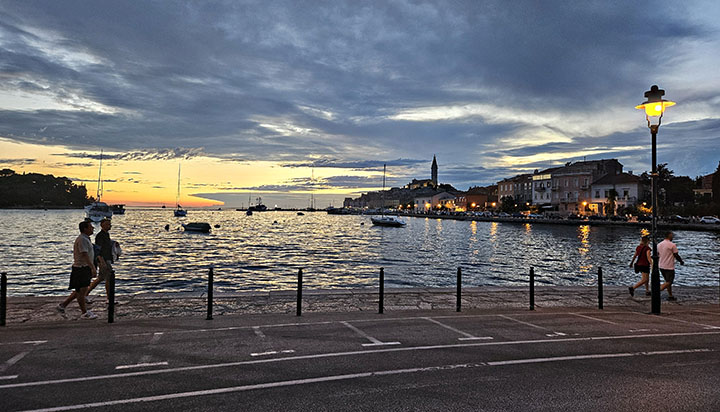
Rovinj is a bit larger, with lots of old city streets to wander as well as nearby beaches to enjoy. Although, it’s worth noting that most beaches in this region are rocky and water shoes are a must when jumping in.


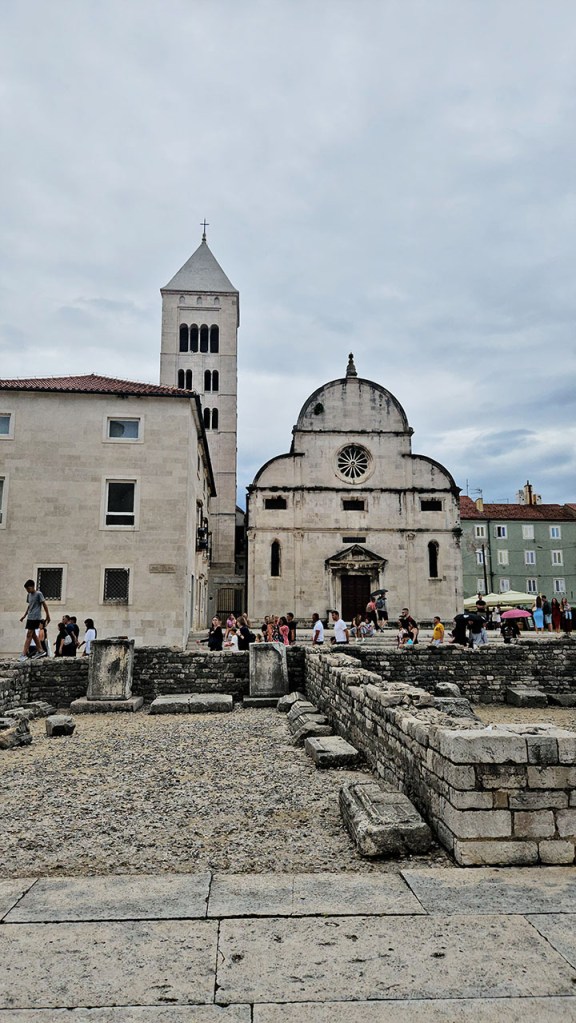
Our next stop was Zadar, another coastal city with similar history and medieval vibes. We did watch some local guys from our airbnb play laser tag though the parking lot, so we knew the locals were the fun type.


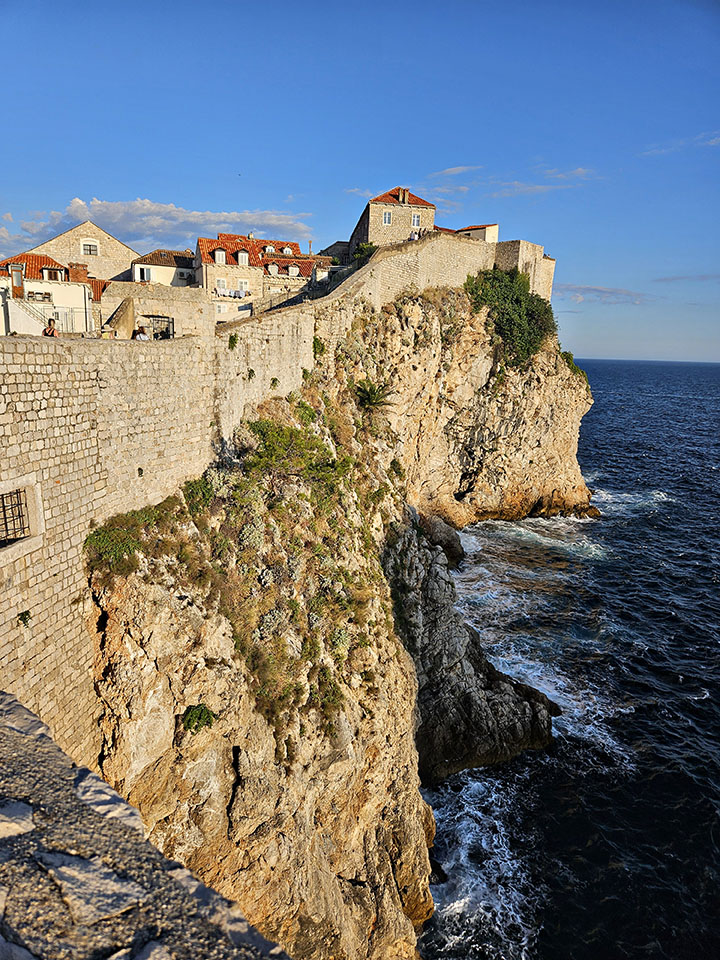
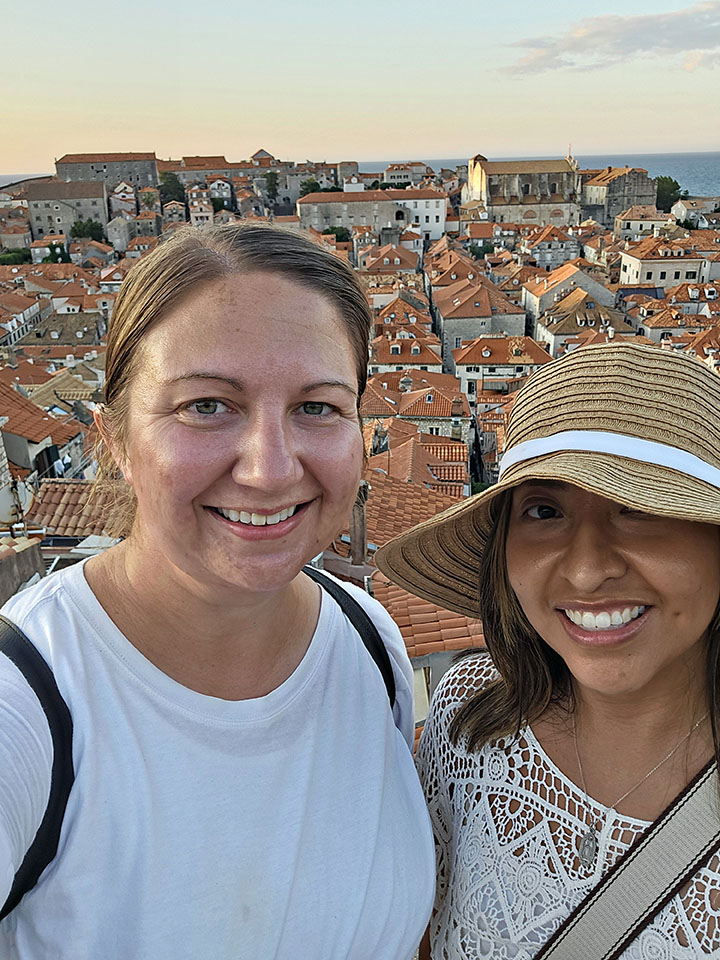
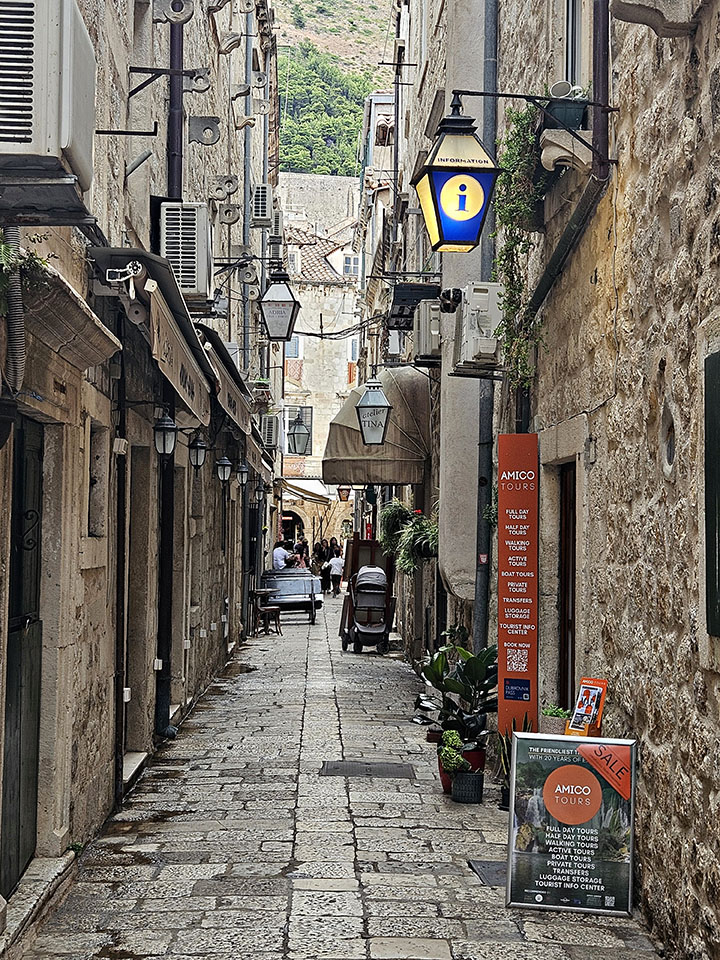
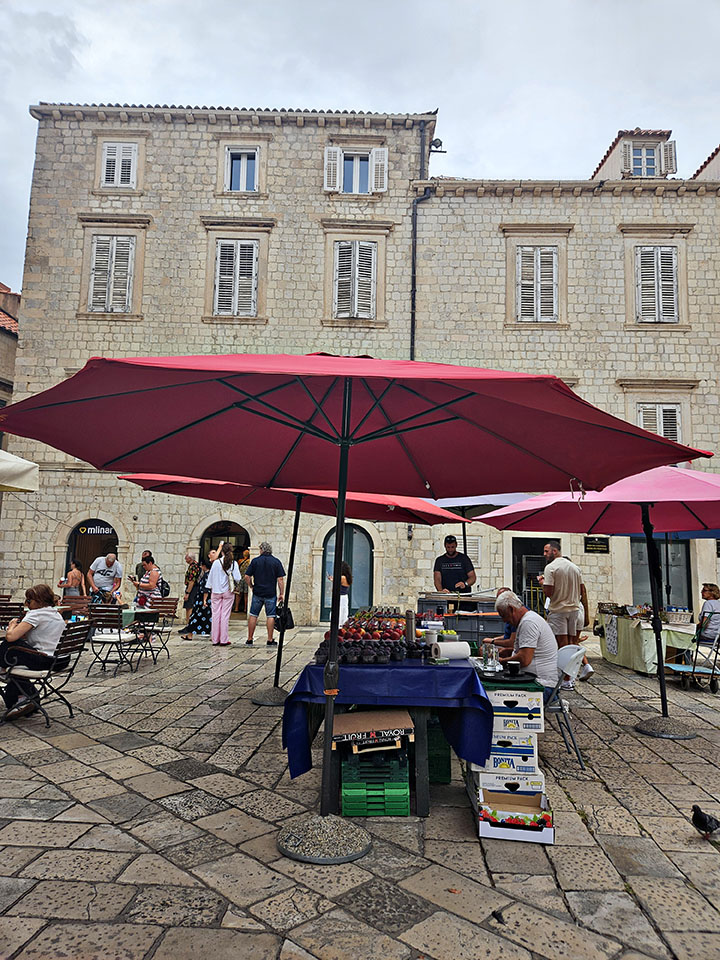
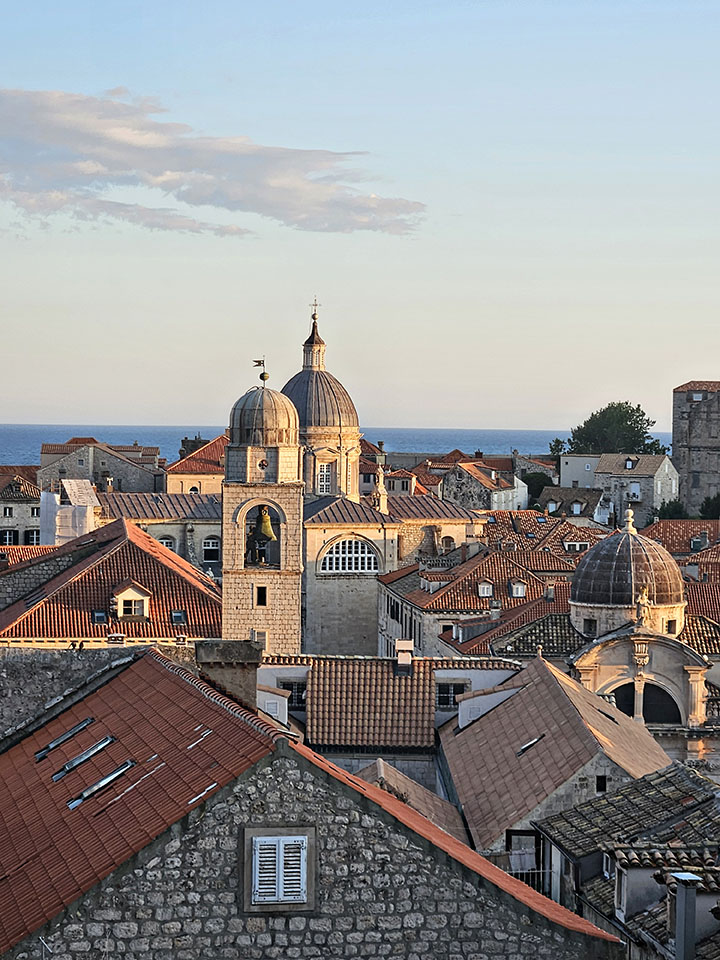
Our last stop was Dubrovnik, which stuck to Croatia’s medieval, ocean-side stereotypes, but still managed to wow us with the magnitude of their walls and the steepness of their stairs.

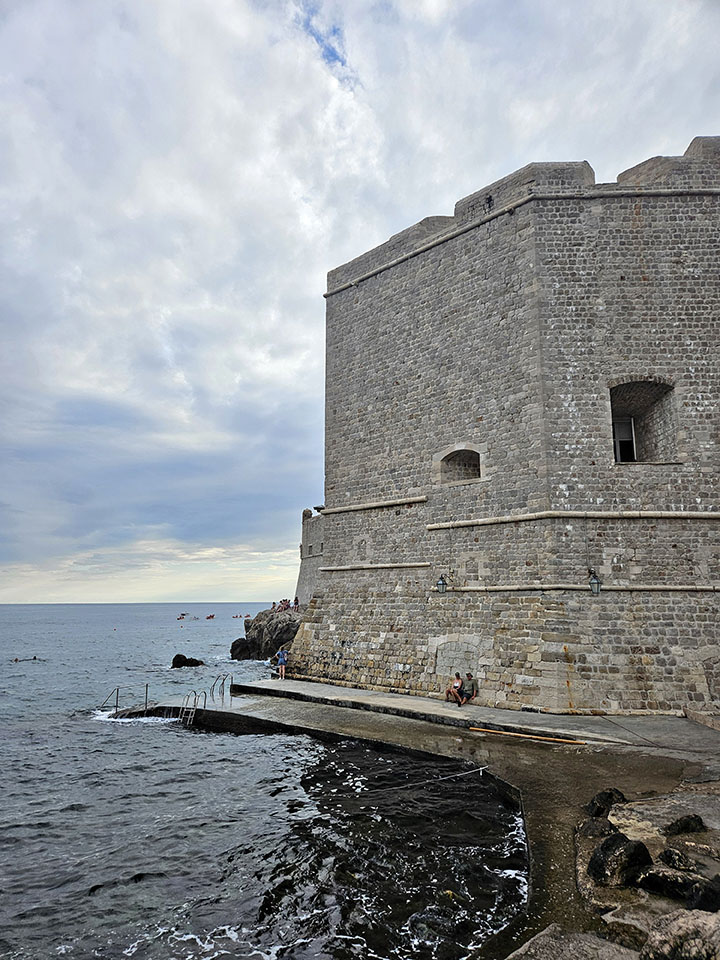
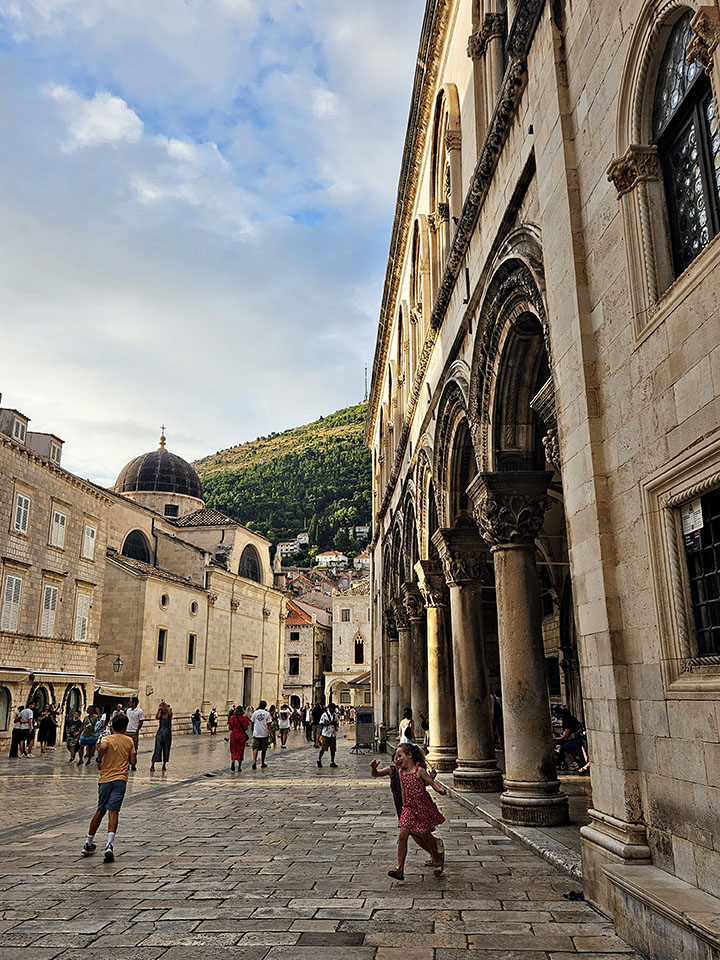

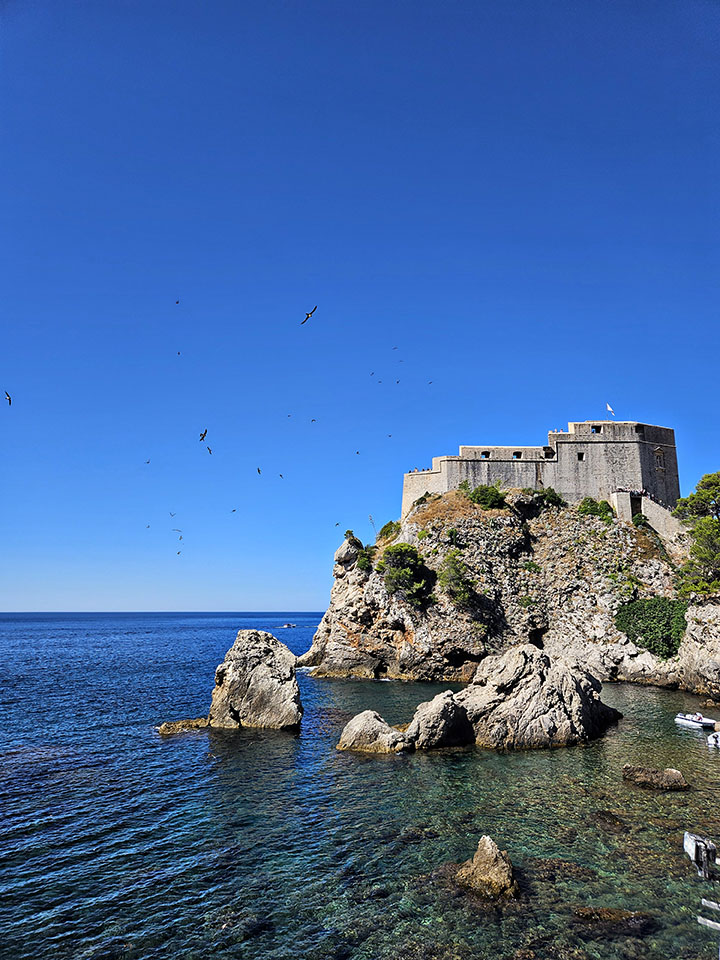
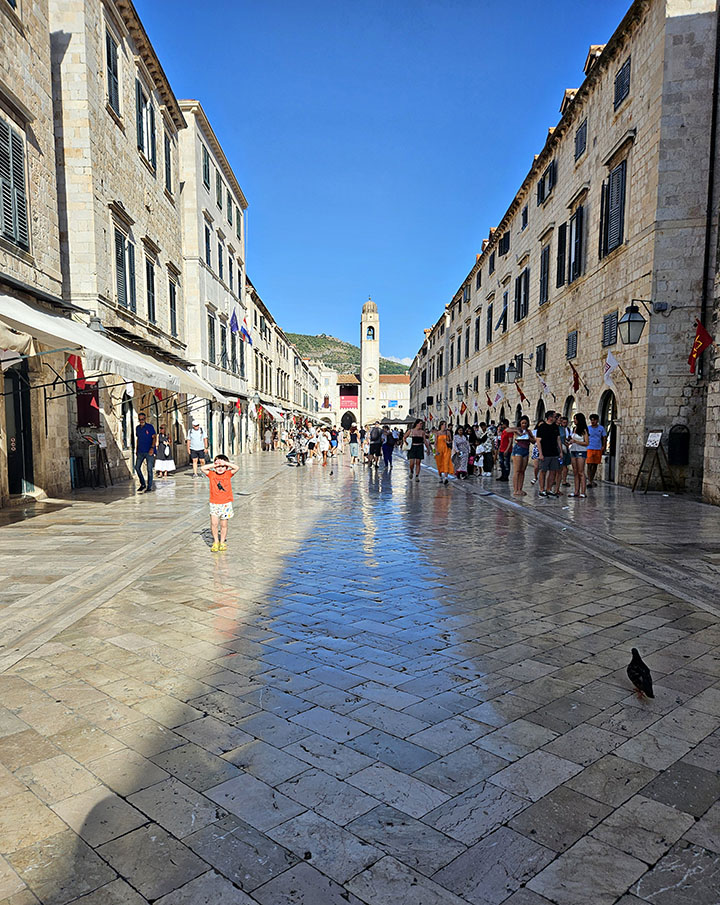
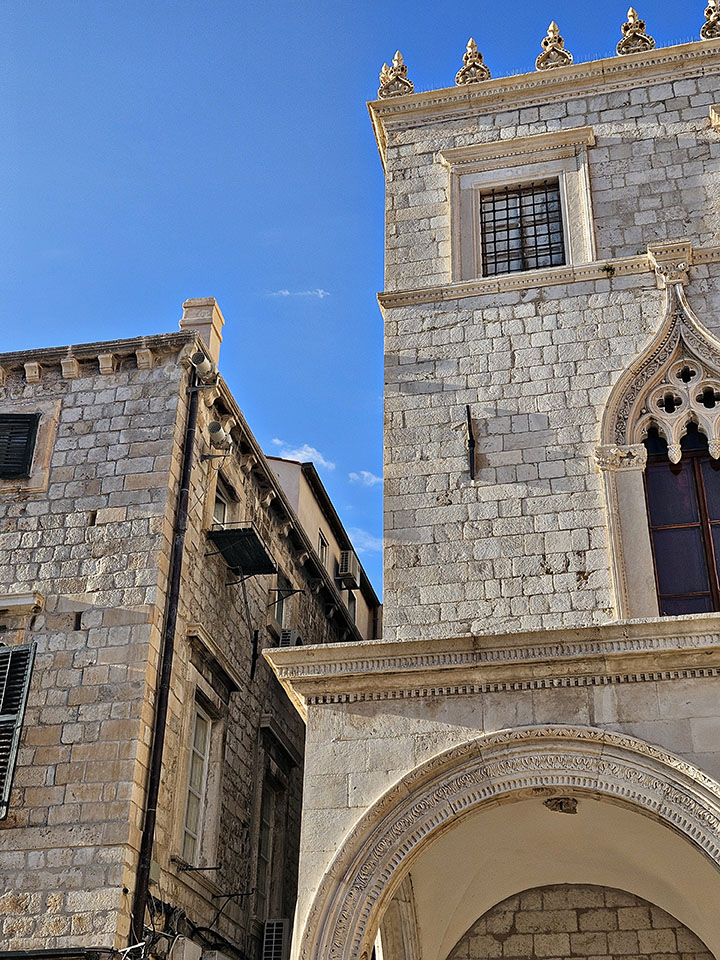


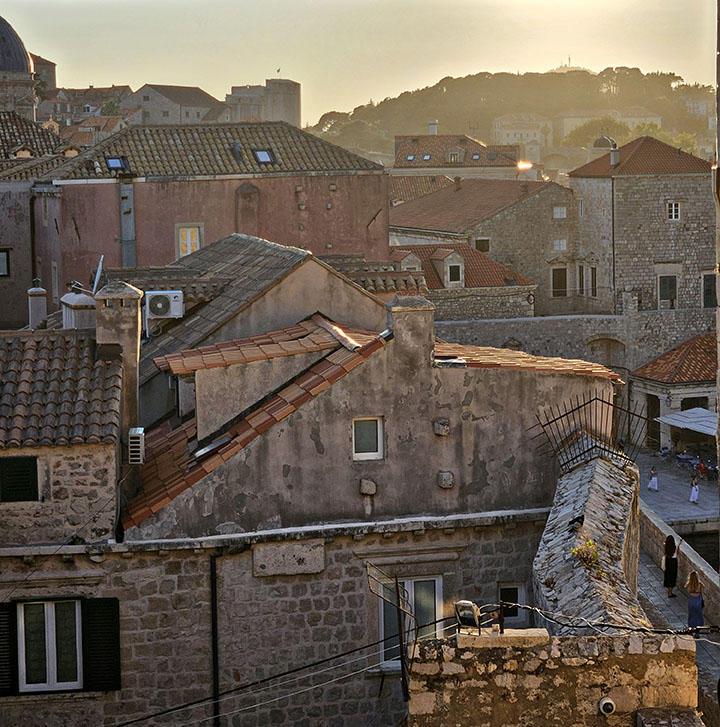
What I learned: A rough timeline of independence, Ottoman attacks, Vancian rule, post WWII chaos, the struggle to balance tourism with sustainability for residents. Also, I discovered that I preferred staying outside of the old city, in residential areas. Due to the popularity of these areas, they have turned into living museums, with most old towns consisting primarily of hotels and short term rentals. If you want to experience the culture and not just the sites, staying a bit out of town allows you to do this. Plus, the parking is easier.
Best thing I ate: All the Italian food! It’s right across the water from Italy and was ruled by the Venetians of Italy for something like 100 years, which means they’ve picked up a thing or two about pasta and gelato, thankfully.
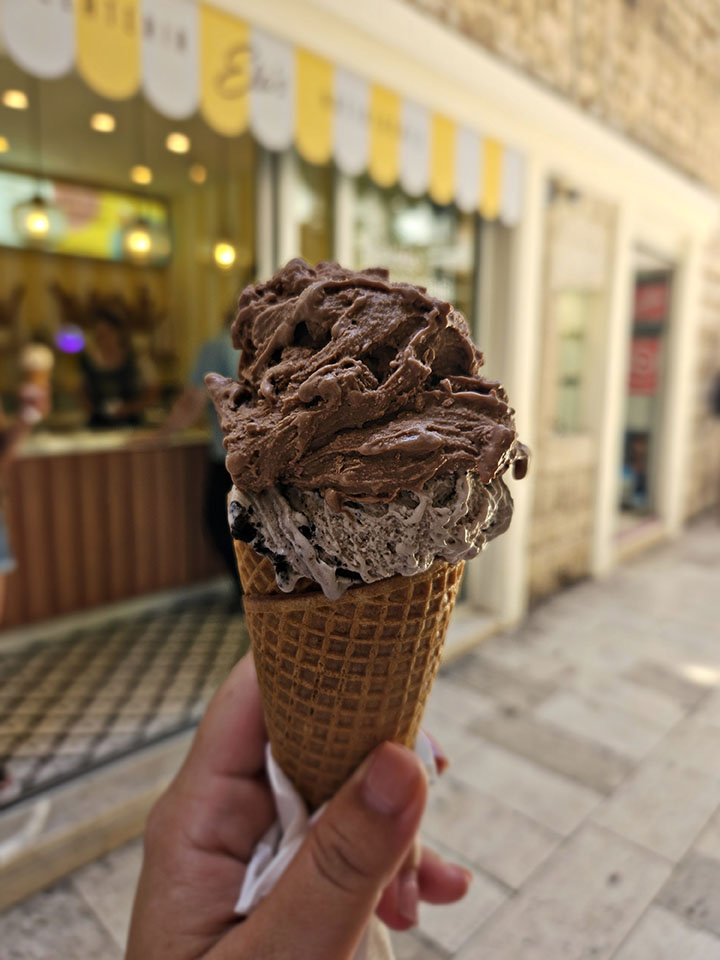
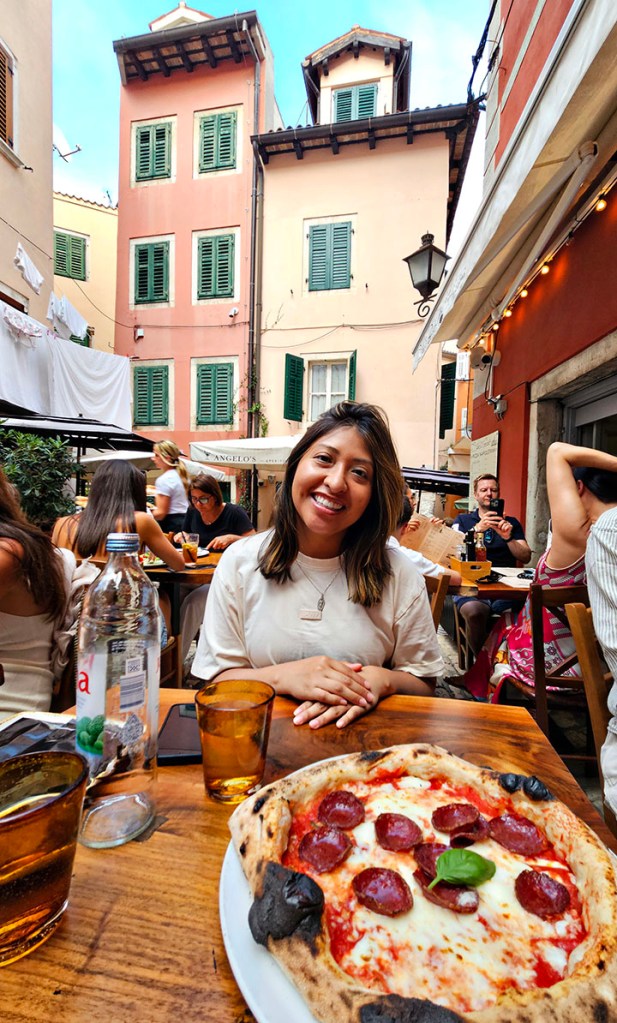
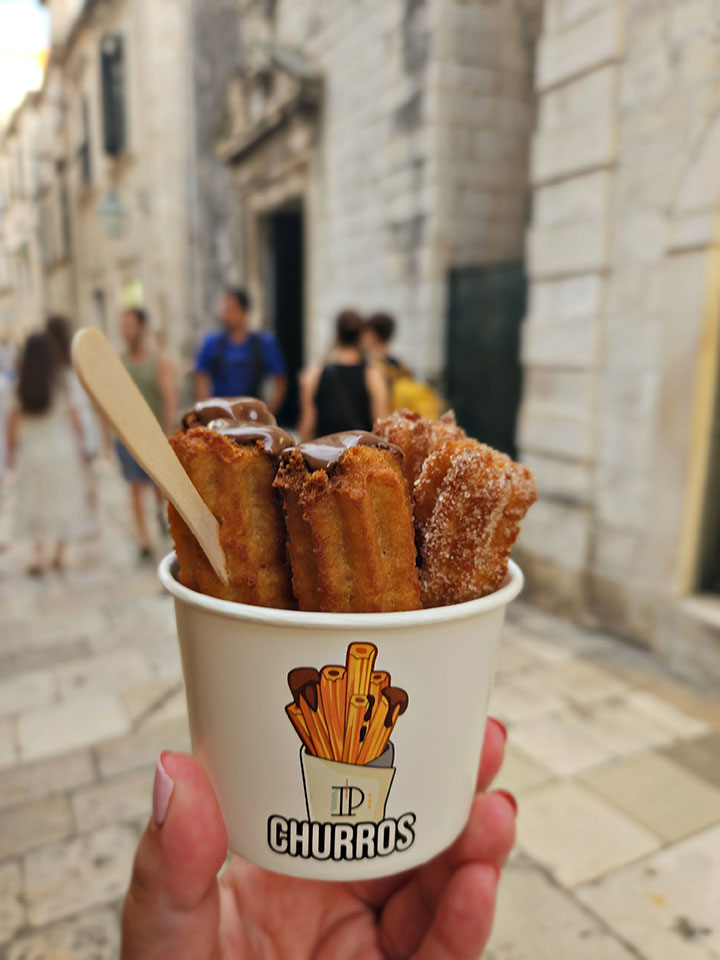
Favorite City: Dubrovnik. I know, somehow I liked the most iconic one of them all. But the views from the city wall are epic and the tourism felt managed. I also really enjoyed Rovinj. It had a beautiful old town to roam through that was big enough to actually find some streets without people in them. And the beaches nearby made for a beautiful rest day in the middle of the trip.
If you are looking for a European travel destination amongst stone streets, blue, blue waters, and the diversity of Europe around you- add Croatia to your bucket list! It’s the perfect destination for a road trip because the highways are well maintained, the driving is fairly civil, and the distances are manageable.
 Trips by Camille